
By Kimo Carvalho, Chief Executive Officer
After three years of helping build kauhale across Hawaiʻi, I've found myself returning to the same thought: What makes these villages work isn't the home we build. It's the community that grows around them.
The more I've reflected on that, the more I've realized kauhale didn't teach us that community matters. It reminded us of something Hawaiʻi has always known: home has never been just a place. Home is relationship.
For generations, our kūpuna understood that when someone in the community was struggling, you showed up. You didn't ask whether they were family by blood or whose responsibility it was to help. You simply did. That was aloha in action. That was ʻohana. We understood that our well-being was connected, and that caring for one another wasn't an obligation, it was simply part of living in Hawaiʻi. We cared for the ʻāina because we knew the land would care for us in return, and we cared for our neighbors because strong communities have always been built on shared kuleana.
Today, that sense of community is being tested. Housing costs continue to climb, more local families are struggling to remain in the places they call home, and natural disasters like the Maui Wildfires have reminded us just how quickly stability can disappear. Families who owned homes suddenly found themselves displaced overnight; some still paying mortgages on houses that no longer existed. It was a painful reminder that homelessness can happen to anyone. It doesn't discriminate by income, age, or circumstances.
These challenges have also shown us that no single organization or government agency can solve them alone. Government has been an essential partner in marking the Kauhale Initiative, and its continued leadership remains critical. But community is something government cannot create on its own. Community is something only people can build.
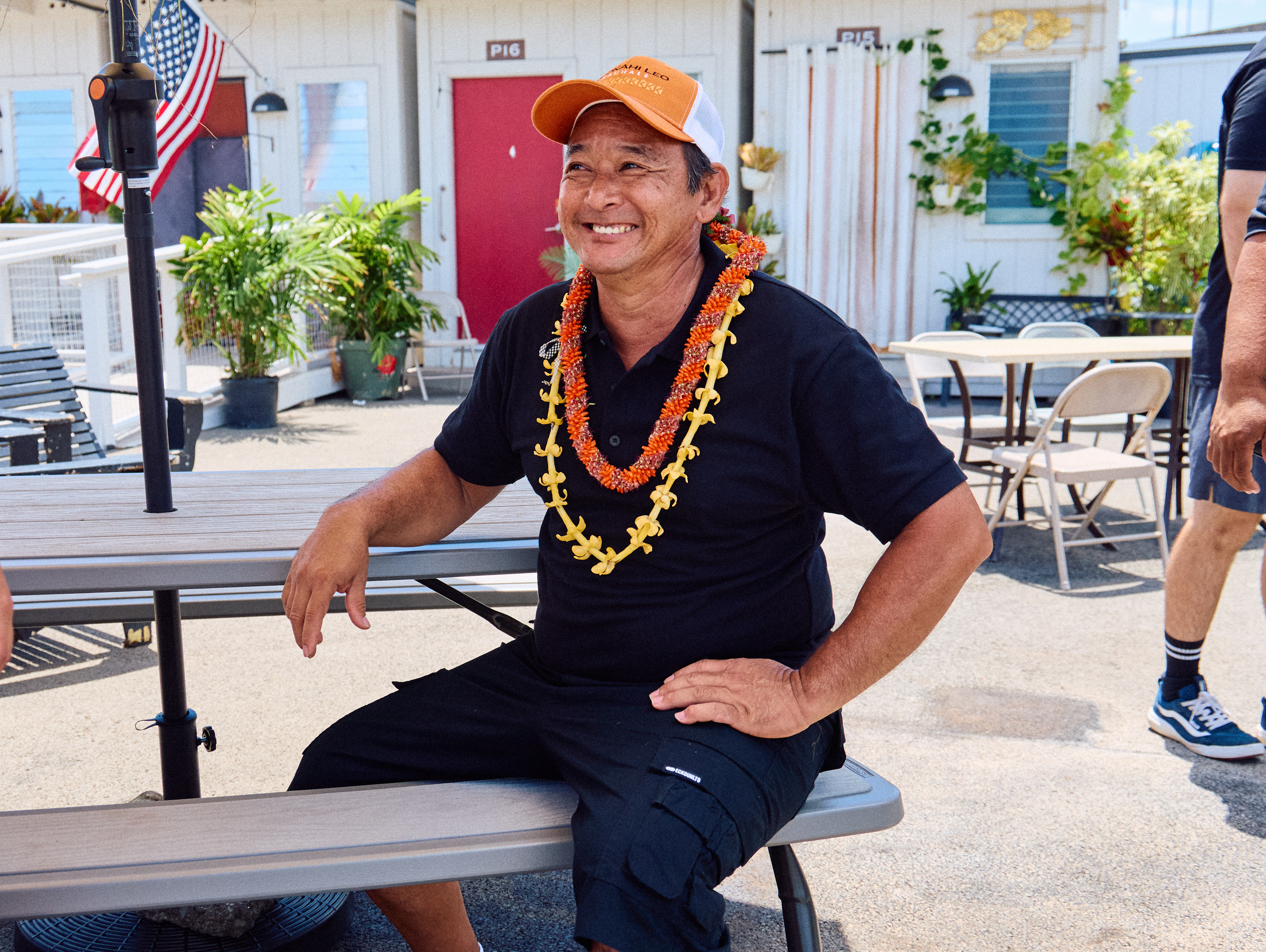
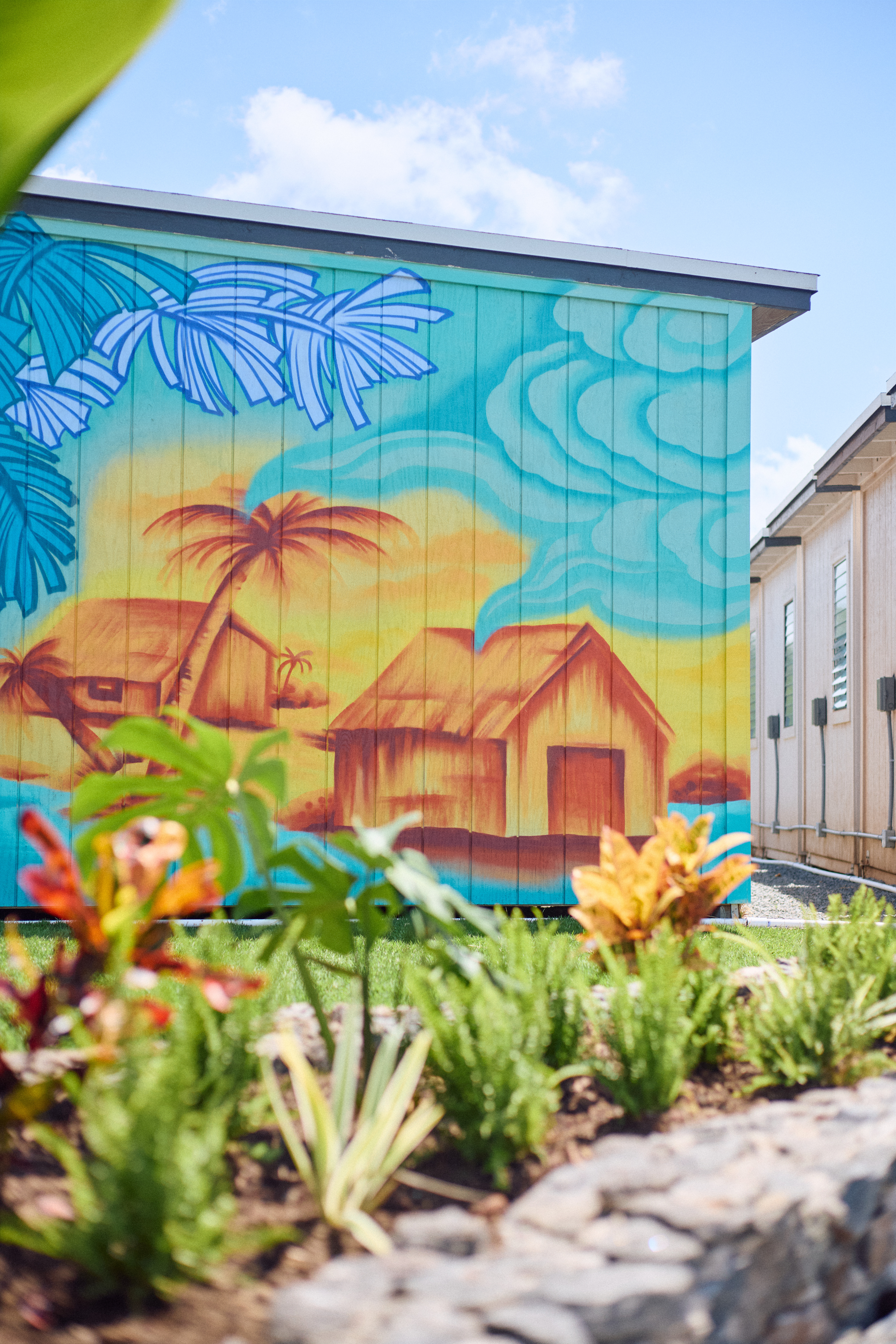
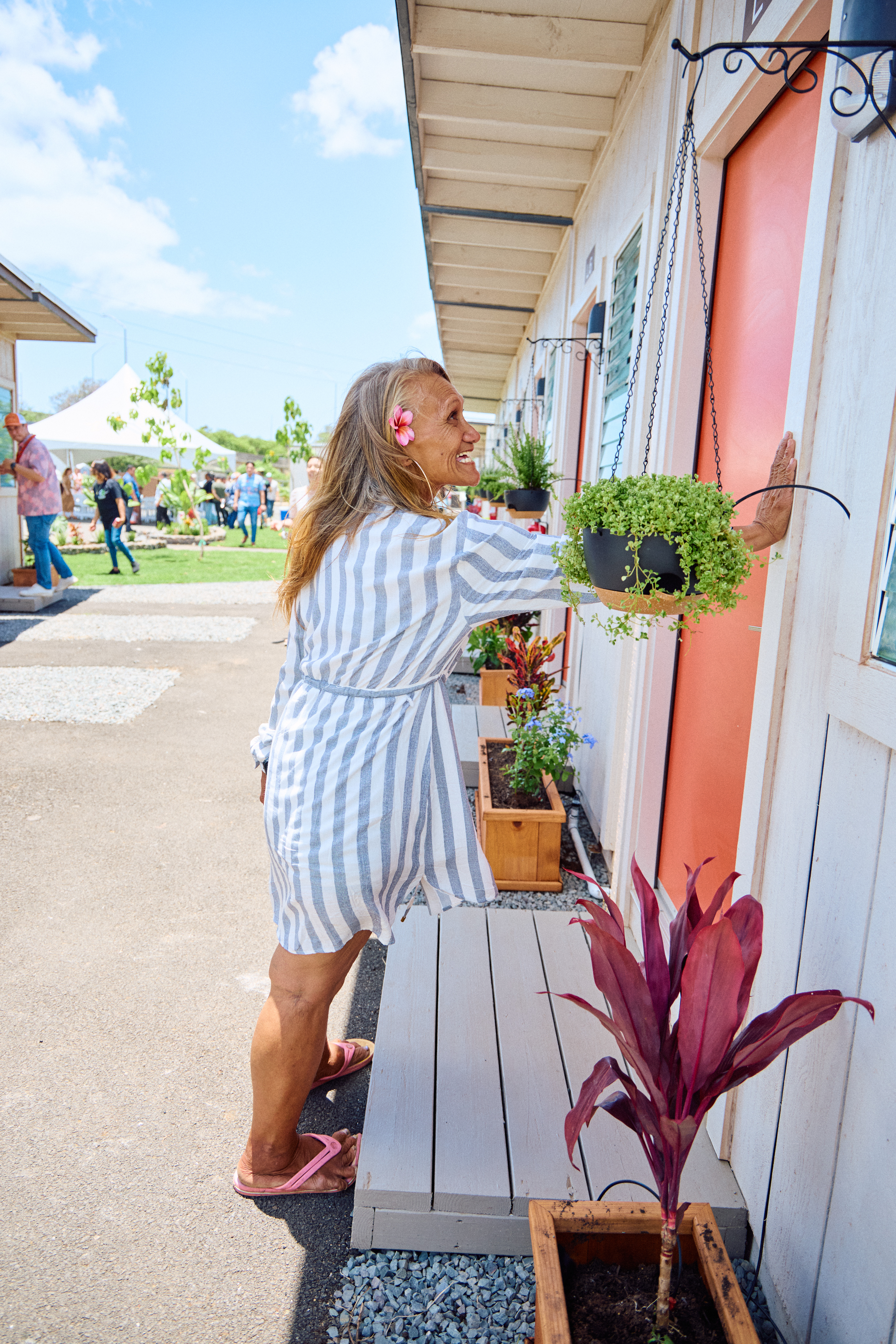
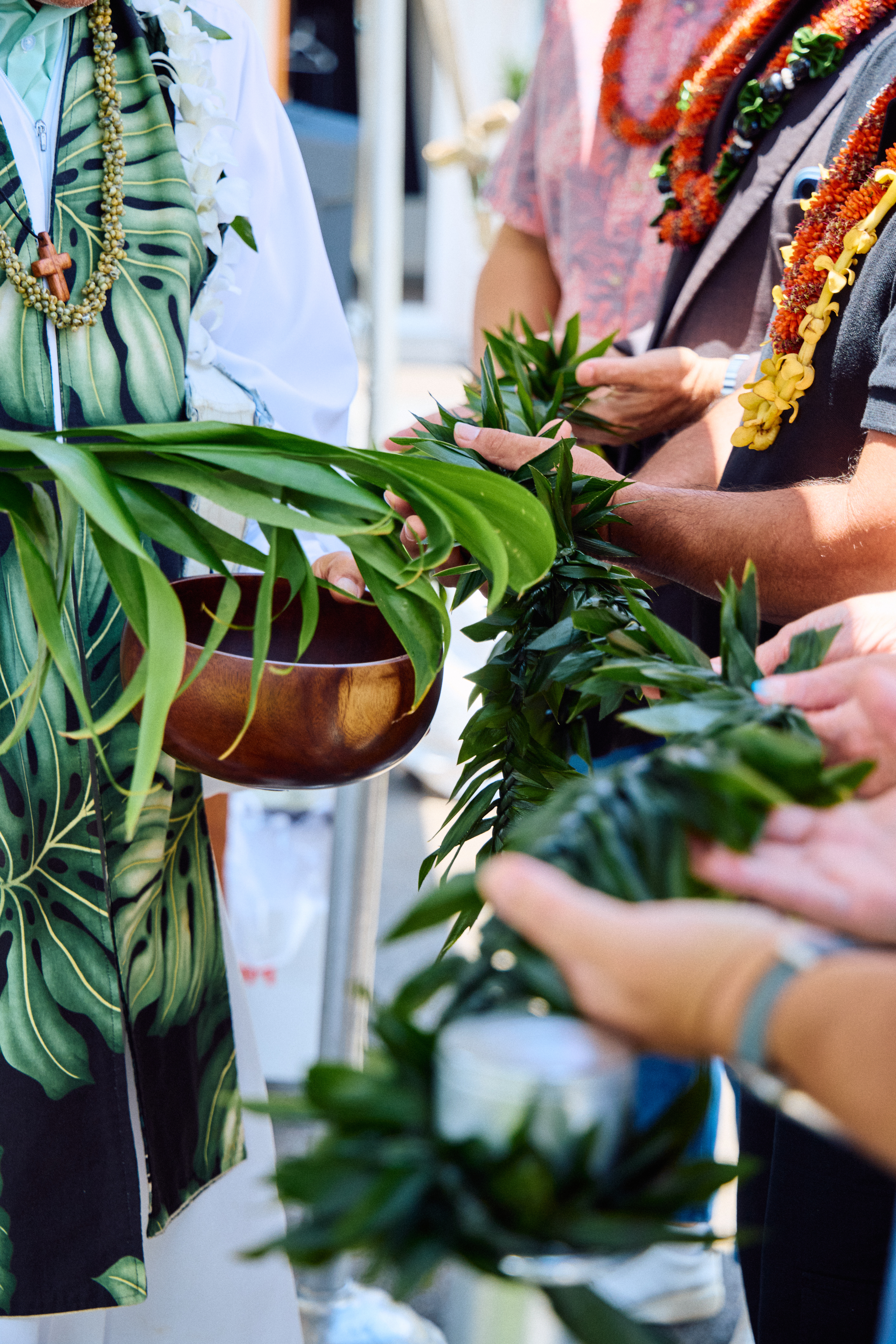

That lesson is reflected in the completion of Hoʻokahi Leo Kauhale.
When Phase 1 opened, it welcomed residents from former Sand Island encampments. Many had been offered opportunities to move elsewhere, but they turned them down because they didn't want to lose the community they had built together. Even while experiencing homelessness, they understood something that all of us can learn from: a home is more than a roof. It's the people around you.
Hoʻokahi Leo gave that community a chance to stay together while gaining what they had long been missing: a safe, stable place to call home. Twenty homes meant twenty people could finally close a door, sleep safely, and begin rebuilding their lives without sacrificing the relationships that had helped them survive. That experience reminded us of something important. Housing creates stability, but community creates belonging. One without the other is incomplete.
With the completion of Phase 2, Hoʻokahi Leo has grown into a 50-home community with shared gathering spaces intentionally designed to strengthen those same relationships. The expansion isn't simply about adding thirty more homes. It's about building a village where neighbors know one another, share responsibility for the place they call home, and create opportunities for the next residents to experience that same sense of belonging.
That evolution reflects one of the greatest lessons we've learned through the Kauhale Initiative. We don't just build housing. We build the conditions for community to thrive. We often say our work is relational, not transactional, because lasting change doesn't happen behind a single front door. It happens when people are connected to one another, when they have purpose, and when they know they belong.
In many ways, kauhale is simply a modern expression of values that have always defined Hawaiʻi. As we lose more of our kūpuna, we also risk losing the traditions they carried so naturally – the instinct to care for someone in crisis, to welcome those not related by blood, and to recognize that the strength of a community is measured by how it cares for its most vulnerable members. Kauhale reminds us that these values are not relics of the past. They remain one of our greatest strengths today.
That is why I believe Hawaiʻiʻs future must be community first.
We need more deeply affordable housing, and we need to continue building it with urgency. But if we stop there, we will have missed the larger opportunity. We have the chance to build communities that strengthen the work of the government, where neighbors take kuleana for one another, and where people remain connected long after the keys are handed over. That is what creates true self-sufficiency: not simply having a place to live but having a community that helps you thrive.
The challenges facing Hawaiʻi will continue to evolve. Housing affordability, homelessness, natural disaster, and an aging population will require all of us to work together in new ways. The good news is that we don't have to invent the solution. We've known it all along.
Kauhale didn't teach us that community matters. It reminded us.
And if we continue building communities rooted in aloha, ʻohana, and shared kuleana, we won't just build homes. We'll strengthen the very values that have always made Hawaiʻi home.
