
In Hawaiʻi, more than forty thousand households earn $30,000 a year or less.
For them, housing they can afford barely exists.
To be affordable at these incomes, rent would need to fall roughly between $150 and $700 per month.
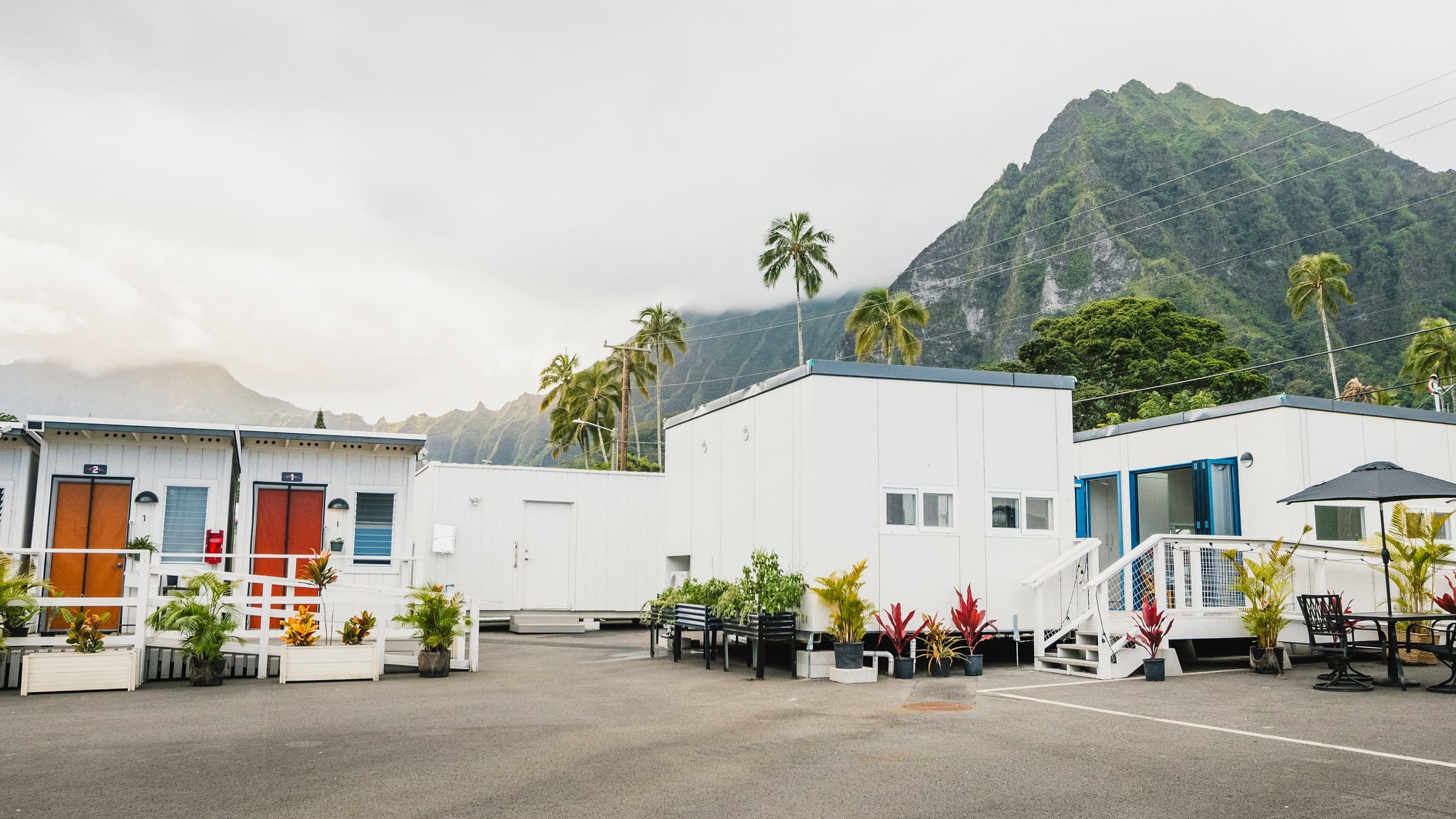
According to the Hawaiʻi Housing Planning Study (2024), the state needs at least 17,200 homes at this level to meet the need. The National Low Income Housing Coalition estimates the gap is even larger, closer to 25,000 homes.
That gap is not theoretical. This is the hidden housing gap. It is hidden because housing at this level has not been available for decades.
This gap did not appear overnight. It developed over time as problems went unresolved.
Rents rose faster than wages. Demand continued to grow. Supply did not.
At the same time, the private market could not fill the gap on its own because the economics did not work at these rents.
Zoning and land-use rules also shaped what could be built and what couldn’t. Lower-cost housing couldn’t be built at scale.
Community opposition played a role as well. Efforts to protect home values and preserve neighborhood character often limited support for lower cost housing, reinforcing resistance to new development even as need grew.
The result was a growing shortage of homes affordable to the lowest income households. Over time, this compounded into a severe lack of what we call deeply affordable housing.
The word affordable gets used often, but for most in Hawaiʻi, affordable housing is not actually affordable. What people hear and what the term is meant to describe are usually not the same.
Affordable housing is an industry term used for housing offered through programs and projects designed for people earning roughly $50,000 to $120,000 a year, with income limits increasing for larger households.
The housing gap affects people living on the streets and those living closest to the edge.
Kūpuna on fixed incomes. Former foster youth aging out of care. People with disabilities. Caregivers. Service workers. Part-time workers. Minimum wage workers.
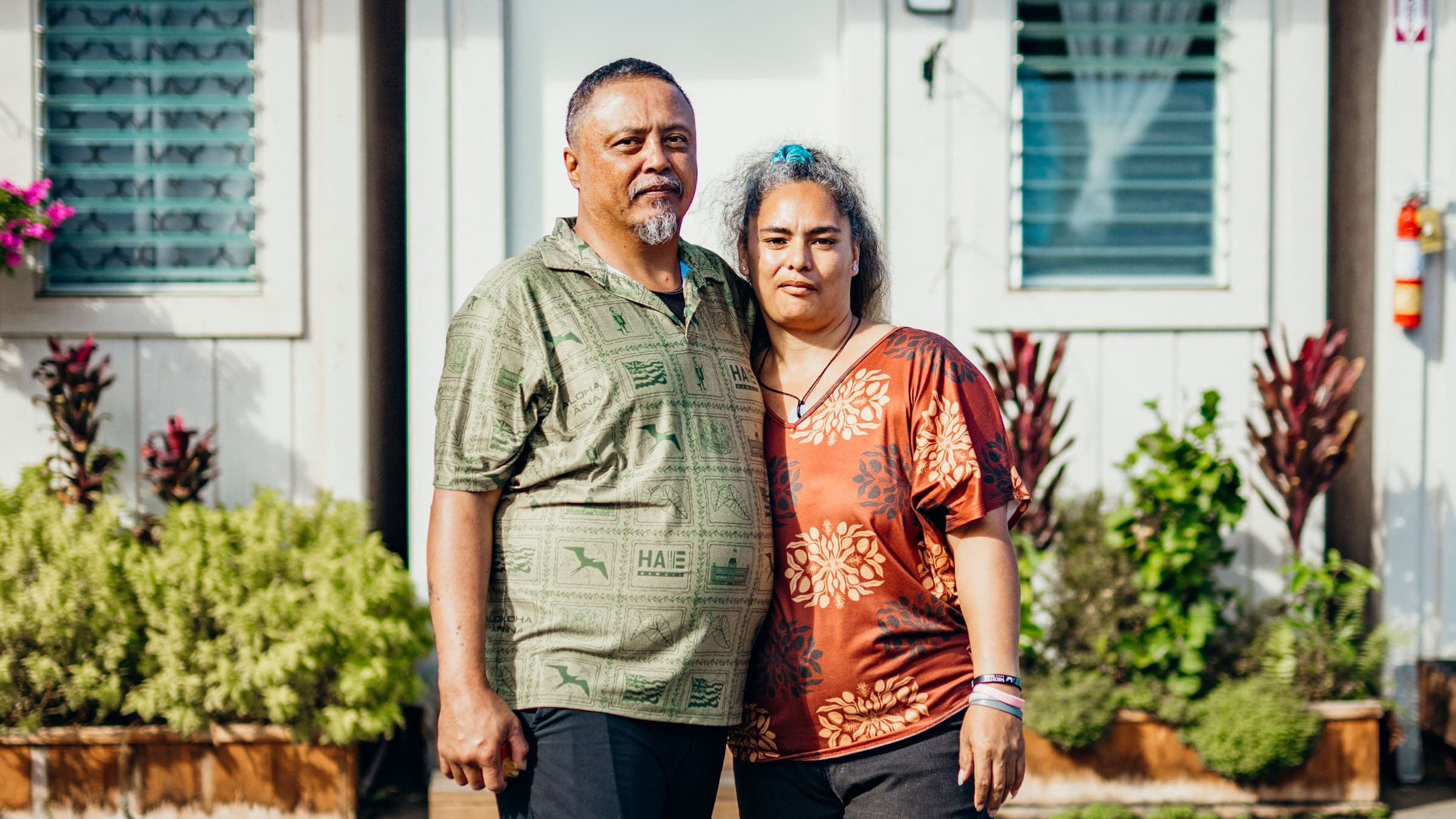
These are people who are working, contributing, and part of their communities, but earning too little to keep up with the cost of housing.
For many, it does not take much for housing to slip out of reach. A rent increase. A medical bill. Fewer hours at work. The loss of a shared living situation.
When deeply affordable housing is not available, there is no place to land.
When deeply affordable housing is not available, people adapt.
They double up with family and friends. They share homes meant for fewer people. They move into housing intended for higher income levels because there are no other options. Programs stretch beyond their original purpose. Temporary solutions become long term.
Some leave altogether. In 2023, more than 11,000 Hawaiʻi residents moved away because the cost of living here became unsustainable. Families, workers, and long time residents leave their communities, workplaces, and support systems, not because the need is gone, but because staying is no longer possible.
As a result, housing meant for one group is absorbed by another. Pressure moves upward across the entire system.
For those earning the least, there is nowhere left to go. Stability becomes fragile. One change, one loss, one increase is enough to push someone out of housing altogether.
Homelessness, when it appears, is not the beginning. It is the final outcome of a housing system that never made room at the bottom.
Doing nothing is not free.
When deeply affordable housing does not exist, the costs do not disappear. They shift. They show up in emergency rooms, in jails, in park repairs, and in cleanup crews. They are paid year after year, without addressing the problem that caused them.
A single person experiencing chronic, unsheltered homelessness can drive public costs of up to $50,000 per year. When that same person is housed in a community-based model like kauhale, those costs drop significantly, with estimated public avoidance savings of up to $35,000 per person each year.
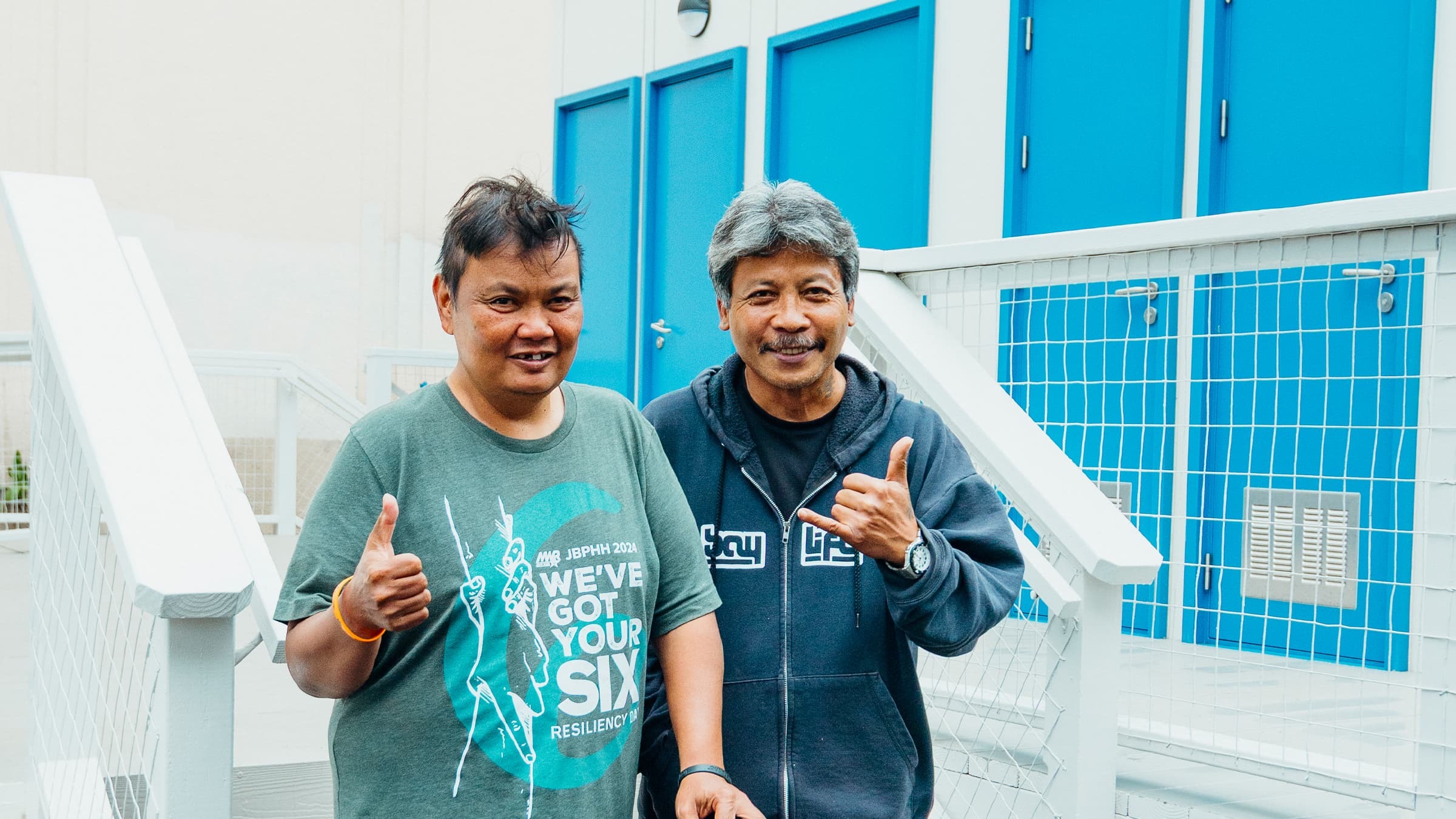
Emergency medical care. Hospital stays. Law enforcement. Incarceration. Encampment cleanups. Property damage. These are the costs of managing a crisis, not solving it.
None of these expenses create stability. None of them prevent homelessness. They respond only after harm has already occurred.
The choice is not between spending and saving. It is between spending endlessly on crisis or strategically investing in stability.
HomeAid Hawaiʻi exists to operate where the market cannot.
We are a local nonprofit community developer and manager, and the only organization in Hawaiʻi focused exclusively on building deeply affordable housing at scale.
HomeAid makes it possible by reducing the cost of construction through builder and supplier partnerships, volunteer labor, grants and cash contributions, and donated land.
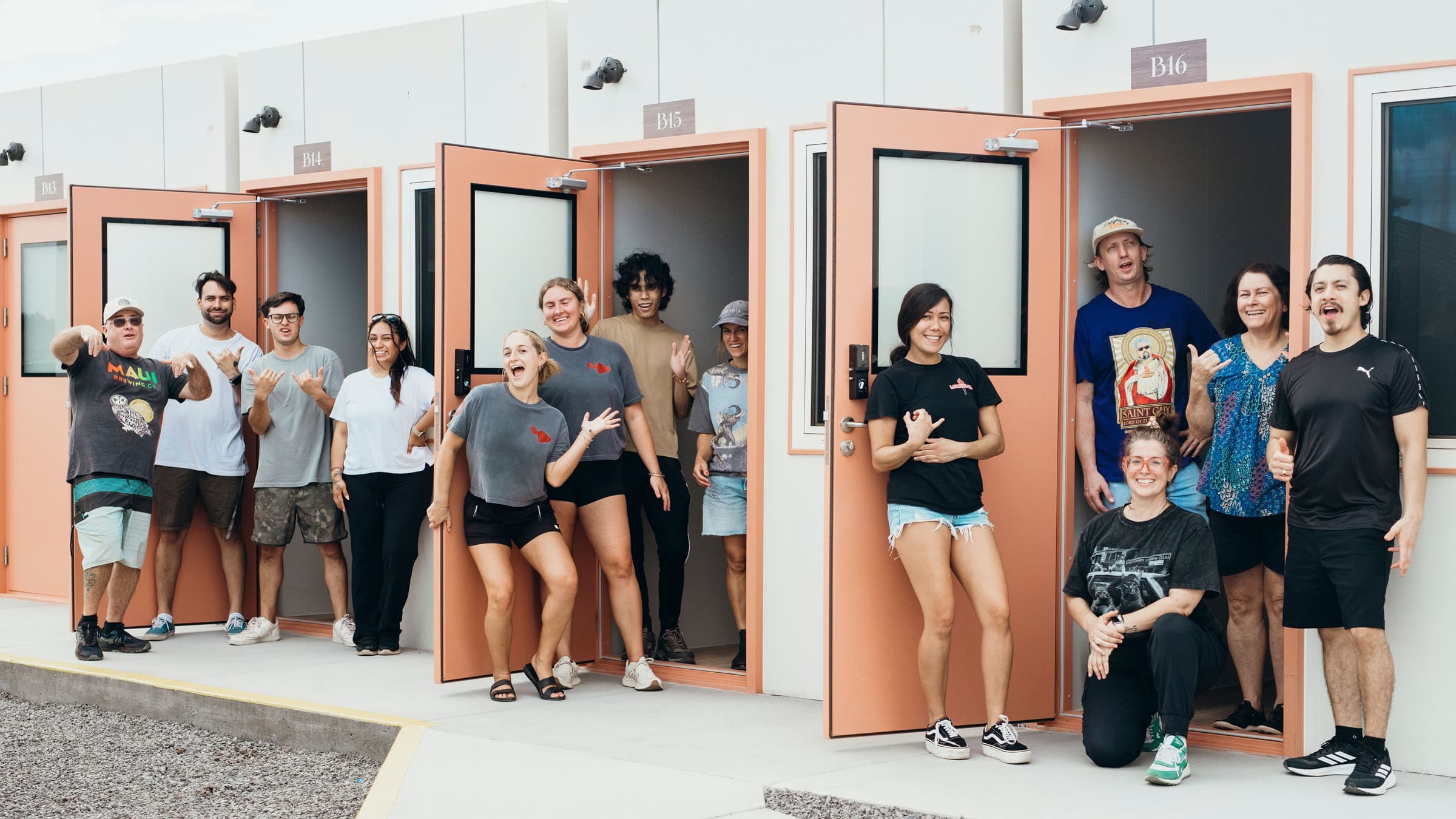
We also work within existing policy tools, including emergency proclamations, to move faster and remove barriers without compromising safety or quality, while using thoughtful design and construction efficiencies to lower costs.
Together, we have housed more than 2,000 people and saved $150 million in construction costs since 2015.
There is still a long way to go, and we remain focused on the work ahead. Click here to find how you can get involved.
