
Last week, HomeAid Hawai‘i had the honor of hosting the 2026 HomeAid National Leadership Conference, welcoming leaders from 20 affiliates across 17 states to Hawai‘i.
For nearly four decades, HomeAid has brought together builders and community partners to address homelessness through construction, community engagement, and education. Since 1989, that collective effort has resulted in nearly 1,600 projects and more than 1.5 million people served nationwide. Hawai‘i joined this network in 2015, and over the past decade, we have seen firsthand both the strength of this model and the growing complexity of the work.
This year’s theme, Stronger Together: Building Our ʻOhana, focused on strengthening alignment across our network by sharing what we’ve learned, what’s working, and where we can continue to improve.
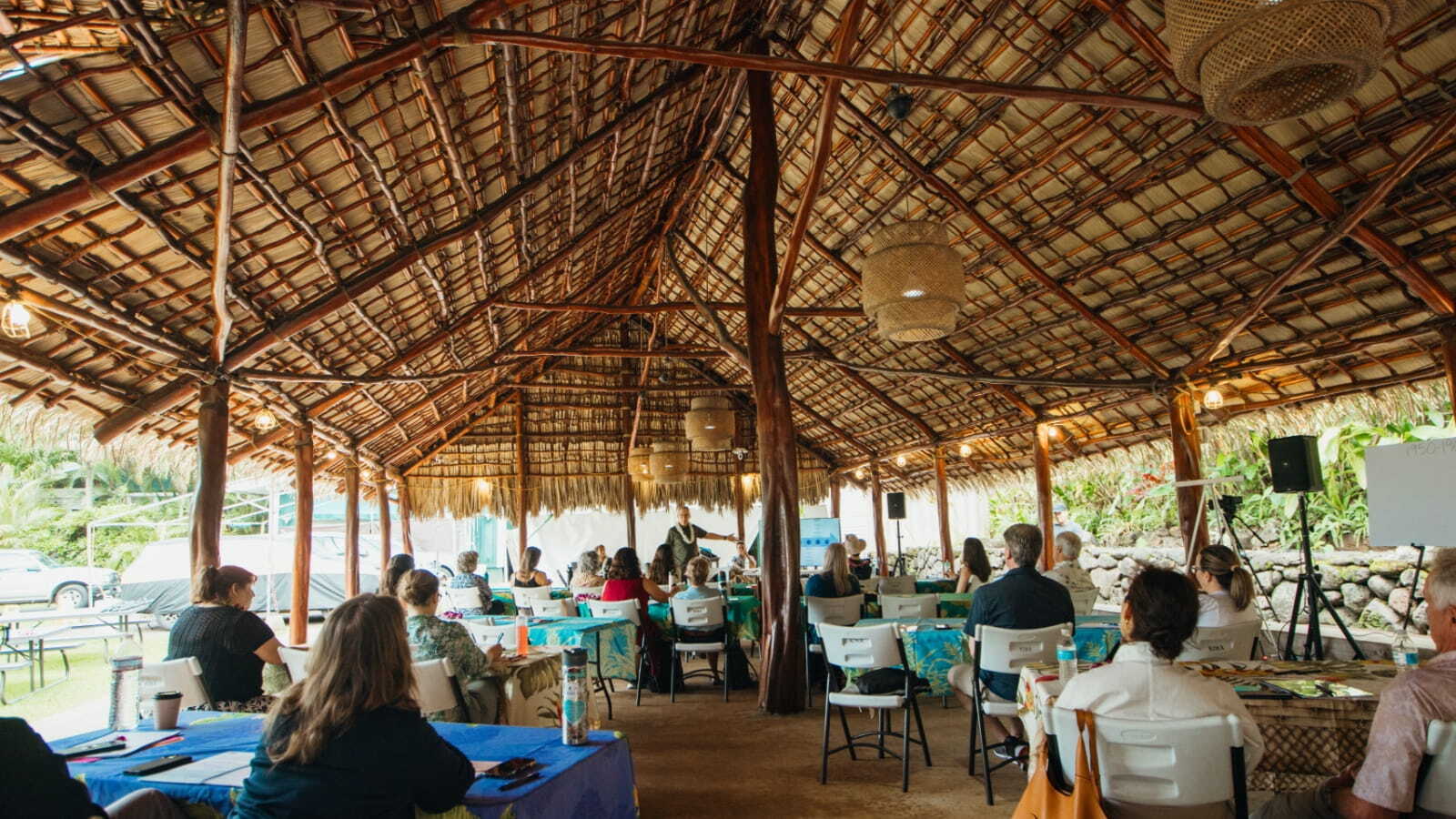
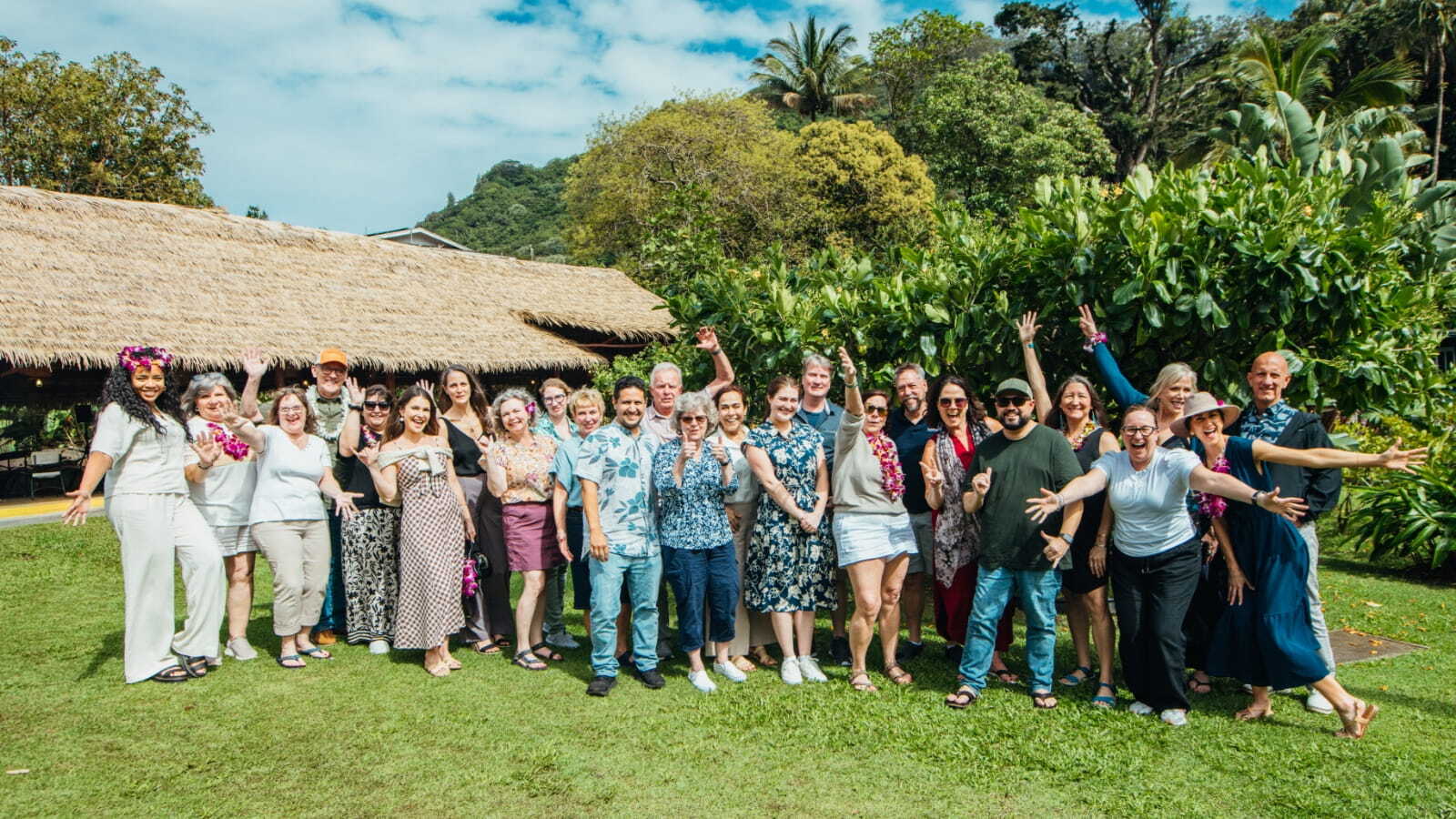

We began the week in Kalihi at Keiki o Ka ʻĀina, where cultural protocol and education grounded the entire conference in place. Andrea Dias Machado guided us through a deeper understanding of ʻāina and responsibility, setting the tone for the days ahead.
It was a powerful reminder that while HomeAid operates nationally, every community requires a localized approach. There is no one-size-fits-all solution, and the work must always be rooted in the people and place it serves.
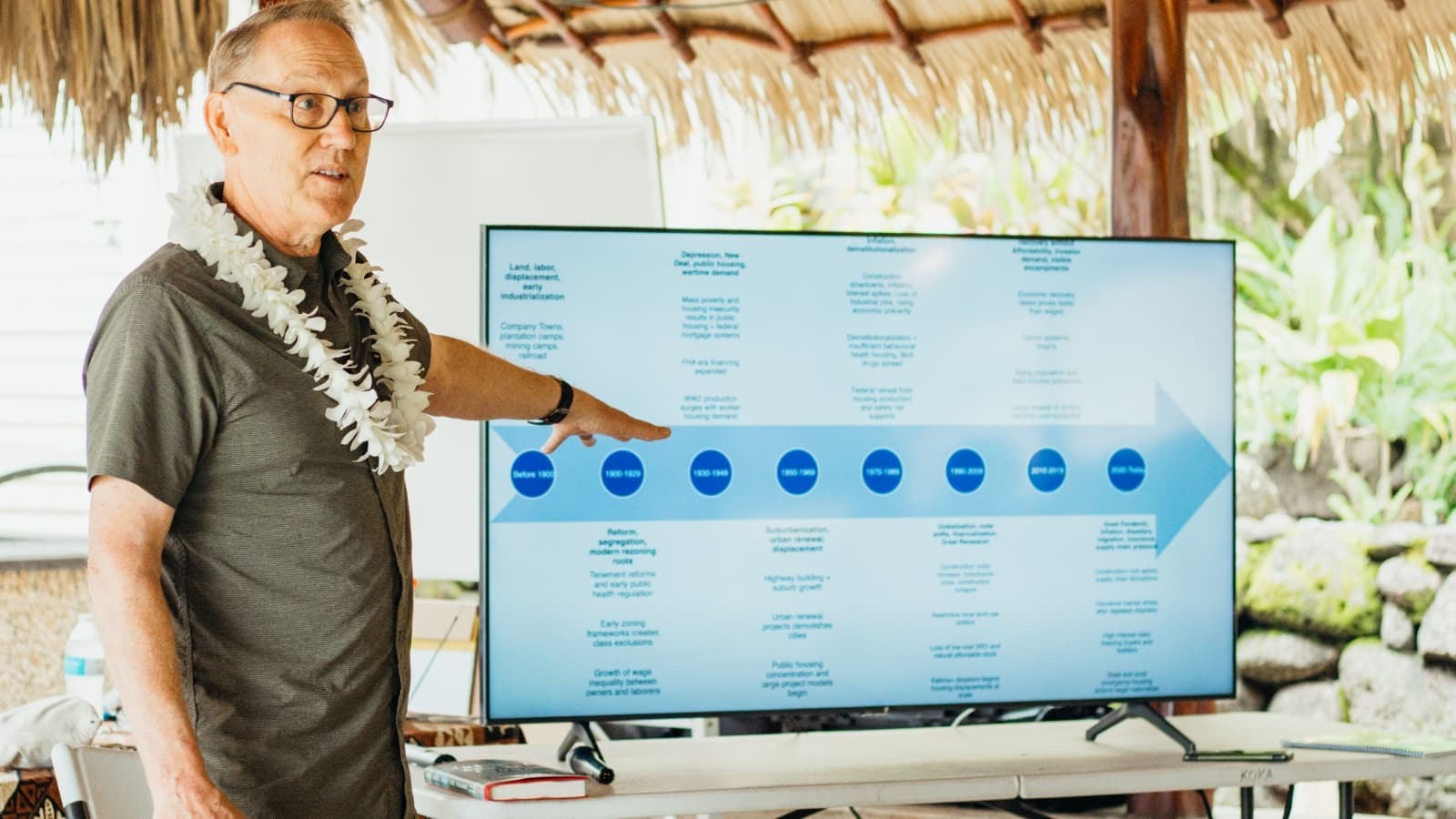
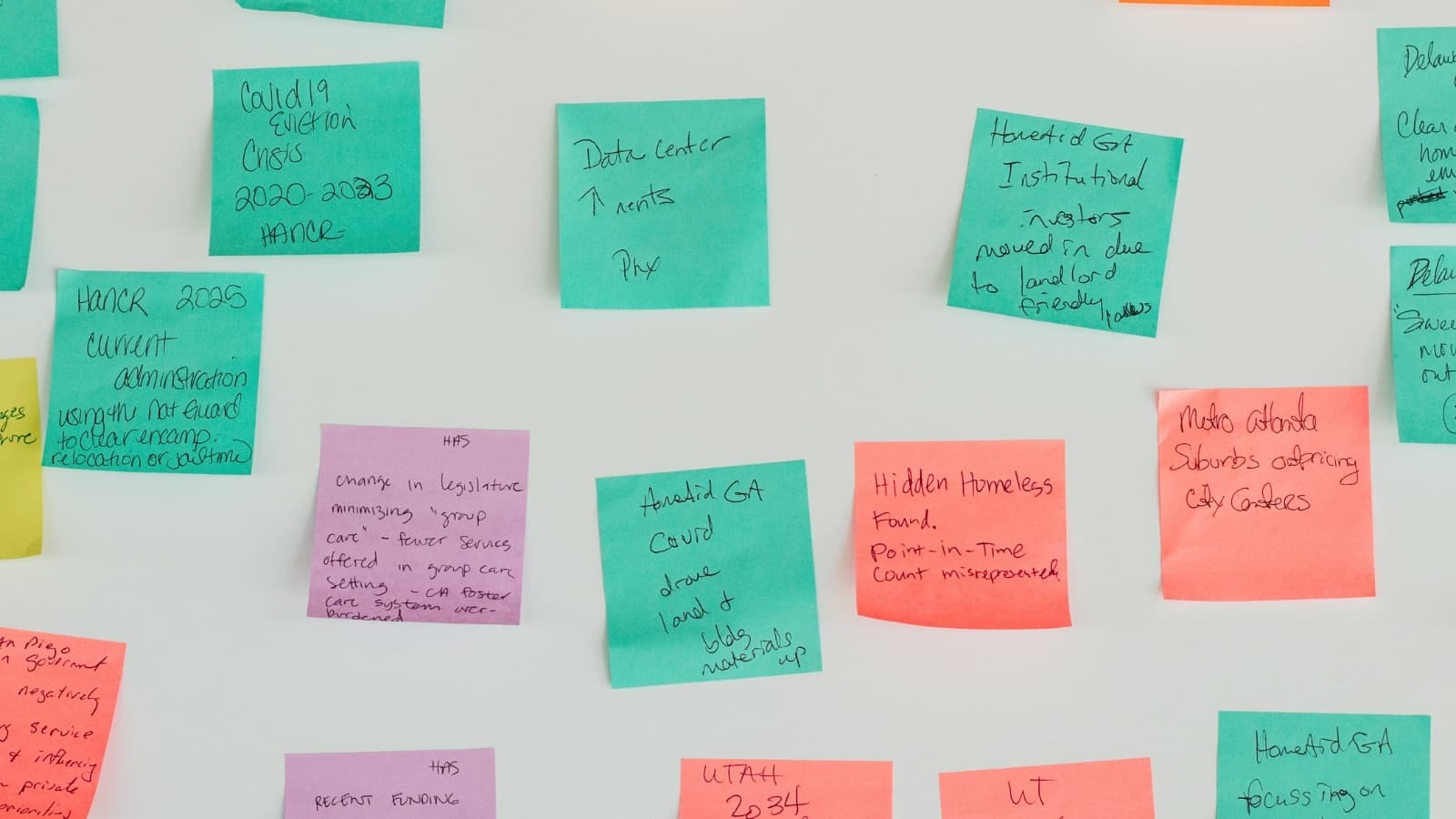
From there, we moved into a broader conversation on the evolution of homelessness and housing systems, both locally and nationally.
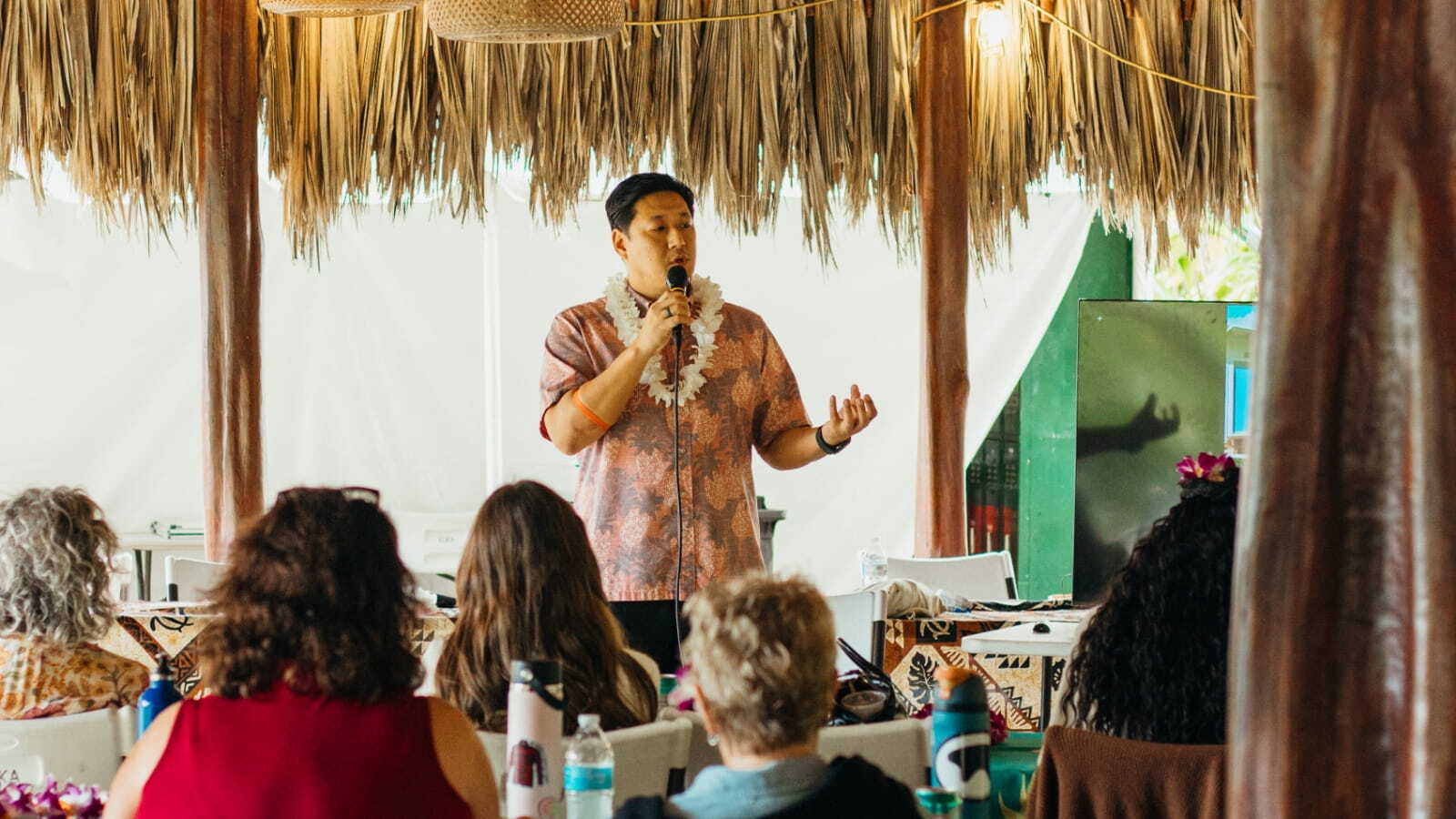
A session on public-private partnerships led by State Homeless Coordinator Jun Yang reinforced the importance of clearly defined roles across government and the private sector. It sparked strong discussion around how similar models could be applied and adapted in other states.
Following that, Jennifer Cornish Creed of HANO led a session on strategic and succession planning, highlighting opportunities to strengthen how organizations sustain and scale their work over time.
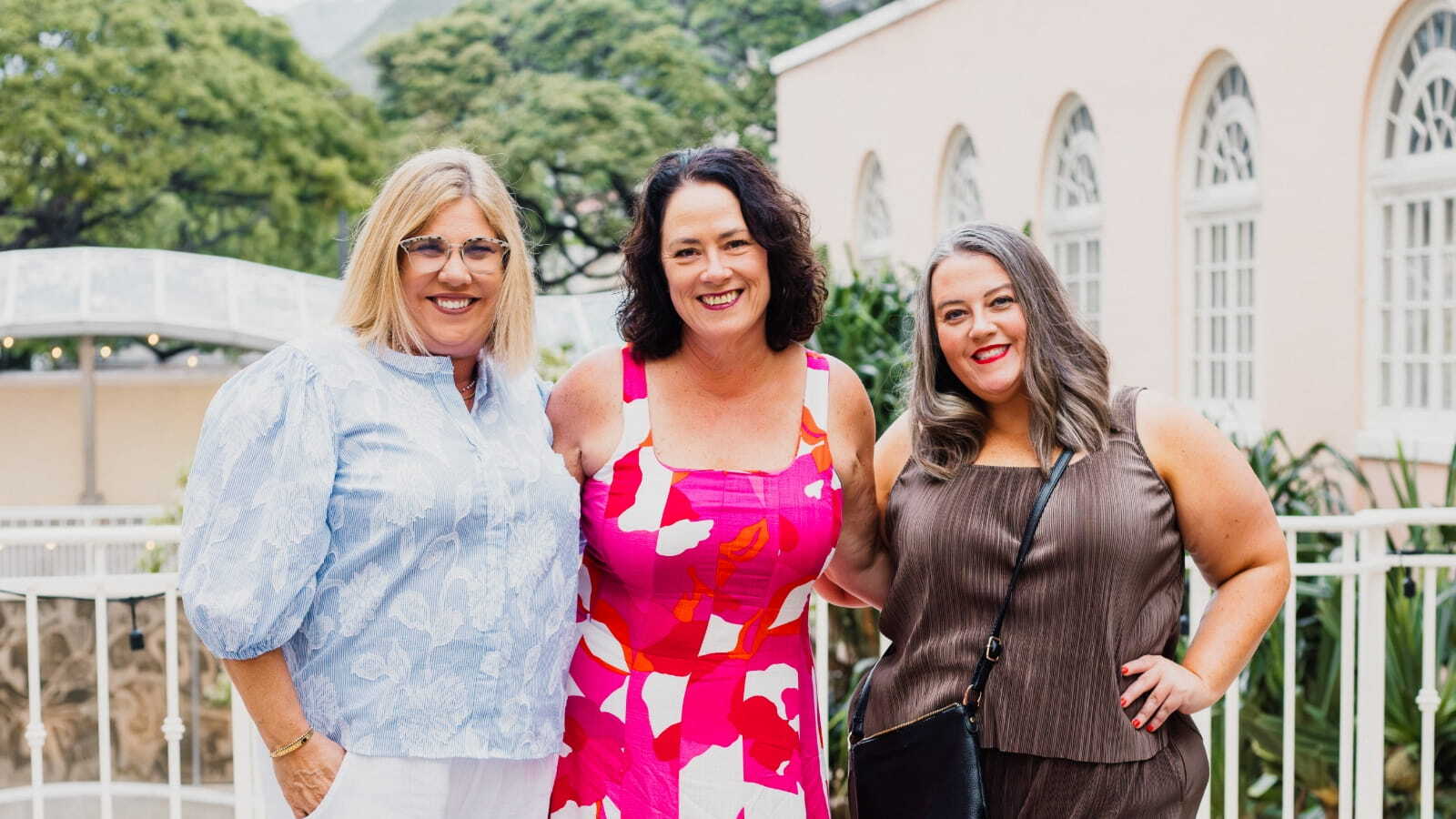
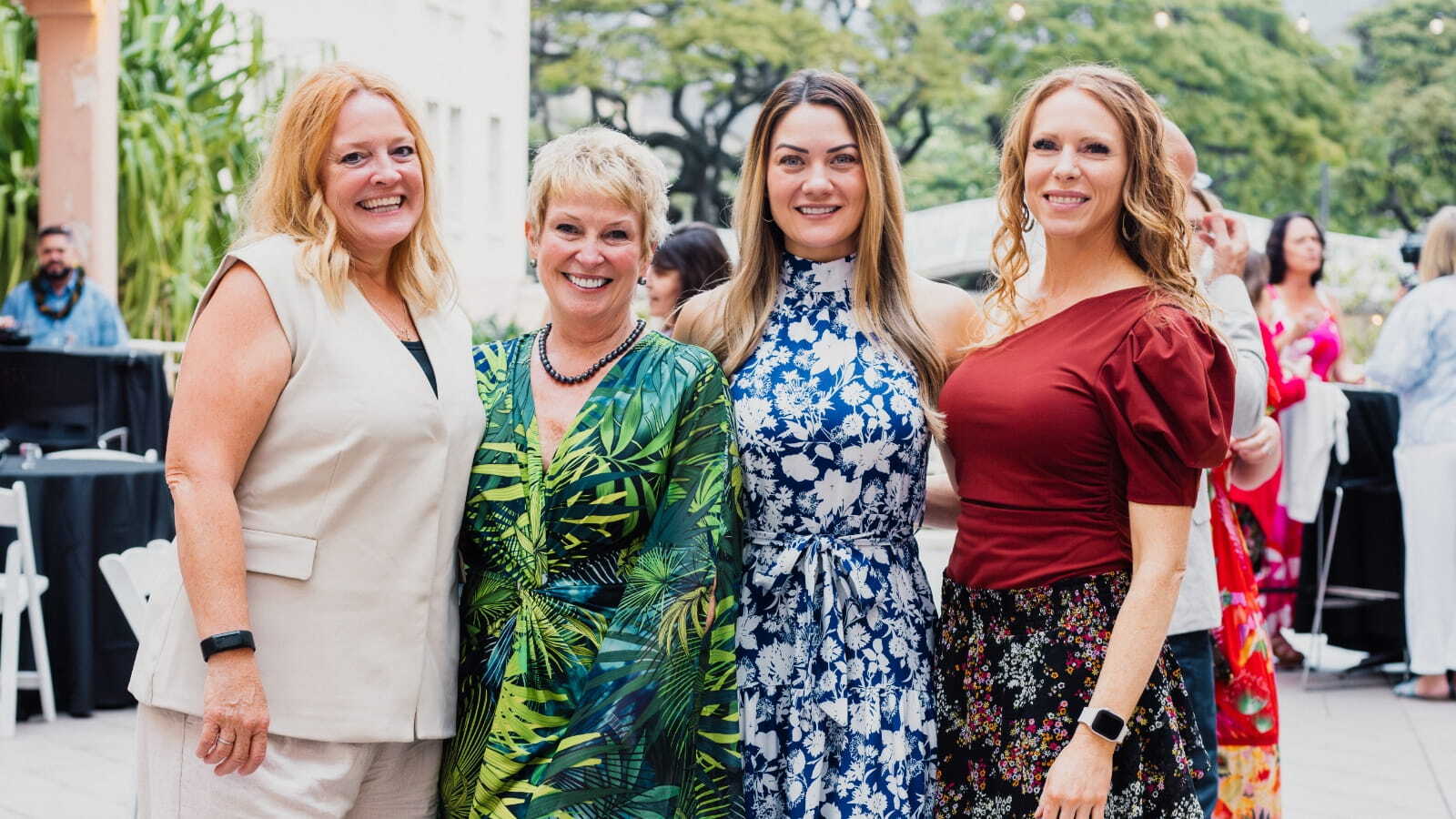
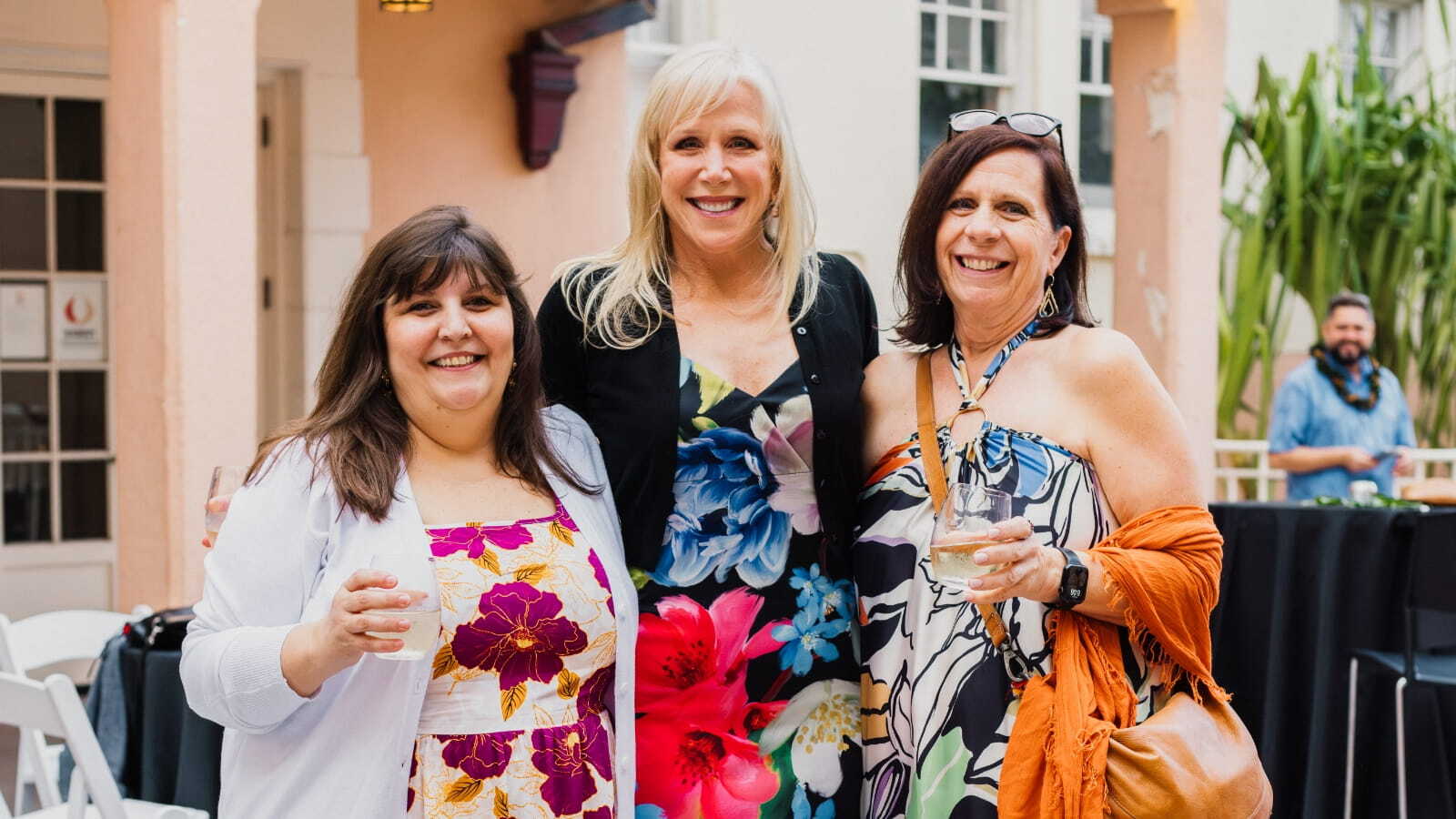
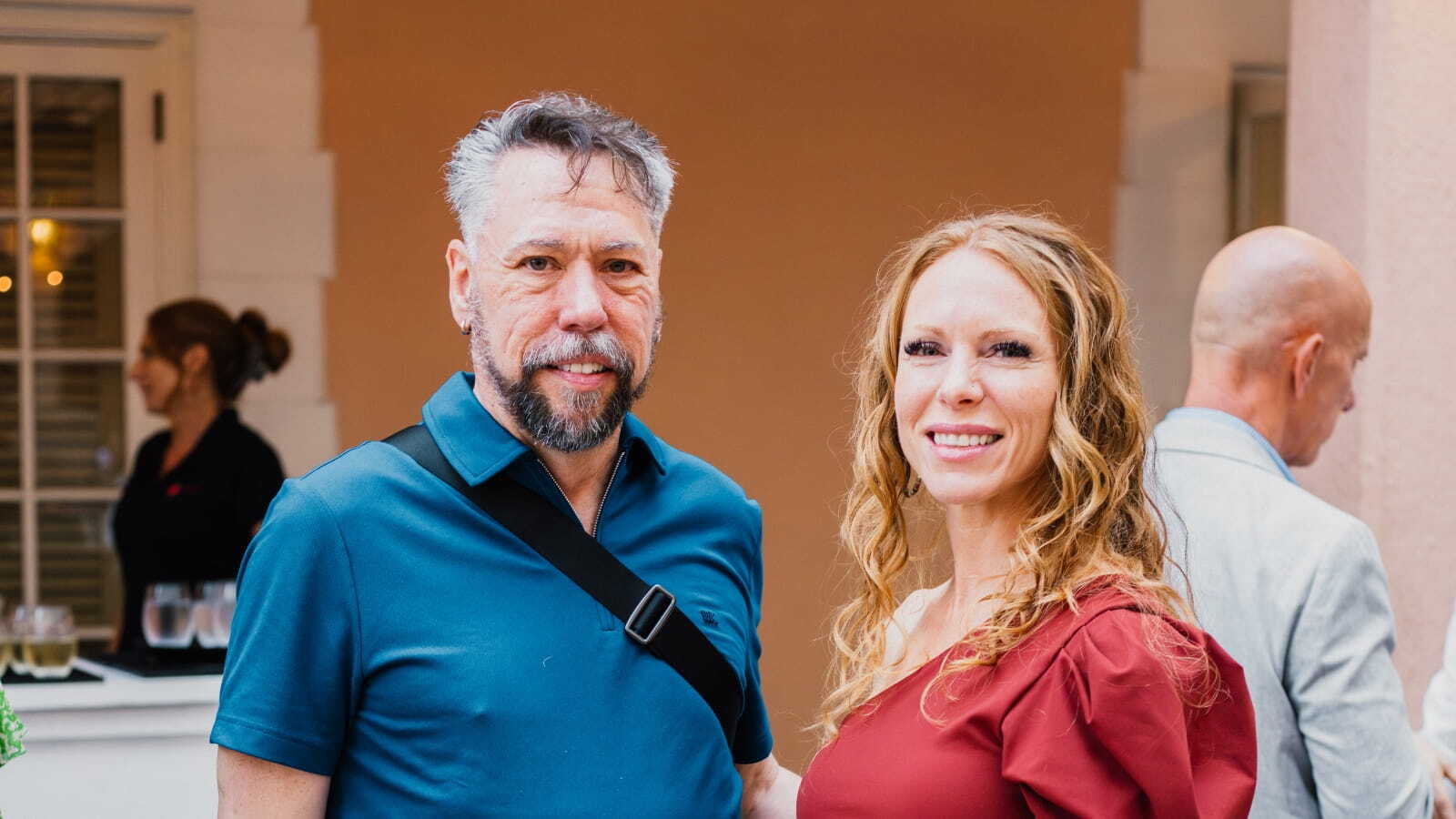
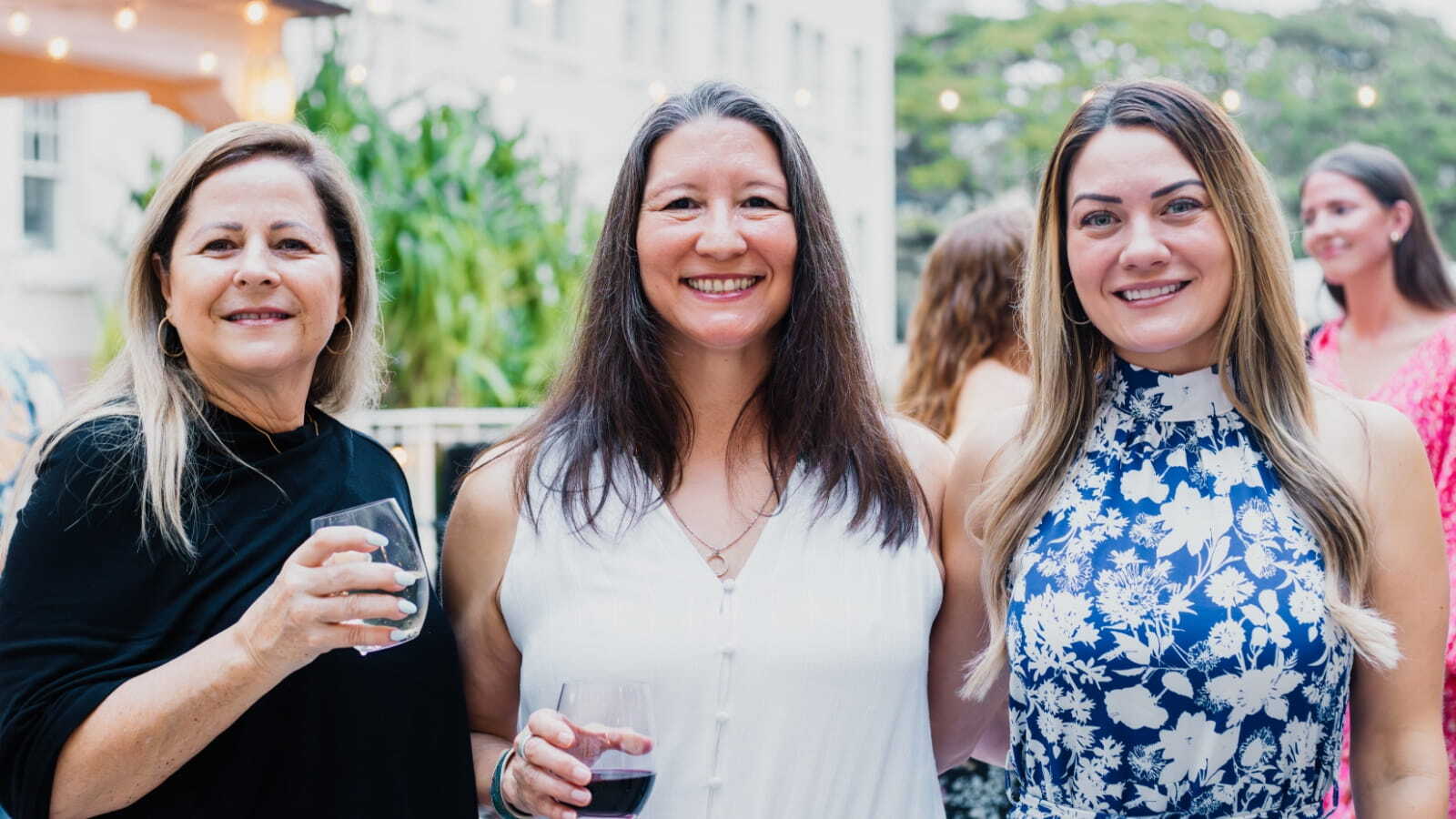
The day closed with a welcome reception at Capitol Modern, where affiliates gathered over food and conversation. Governor Green joined to share his vision of Housing is Healthcare, an idea that resonated across the network and sparked discussion about how this approach can be advanced in other states.
Day two shifted into the details.
Deeply affordable housing. Budgeting. Diversifying funding. Board engagement. Staffing. Partnerships. Community engagement.
Across all the breakouts, the goal was to share openly about how each affiliate operates, what’s working, what’s not, and what others can take back and apply in their own chapters.
There was a clear focus on how affiliates are structuring their work internally. How projects are tracked. How fundraising aligns with delivery. How engagement connects back to impact.
We stepped out of the conference room and into the work itself.
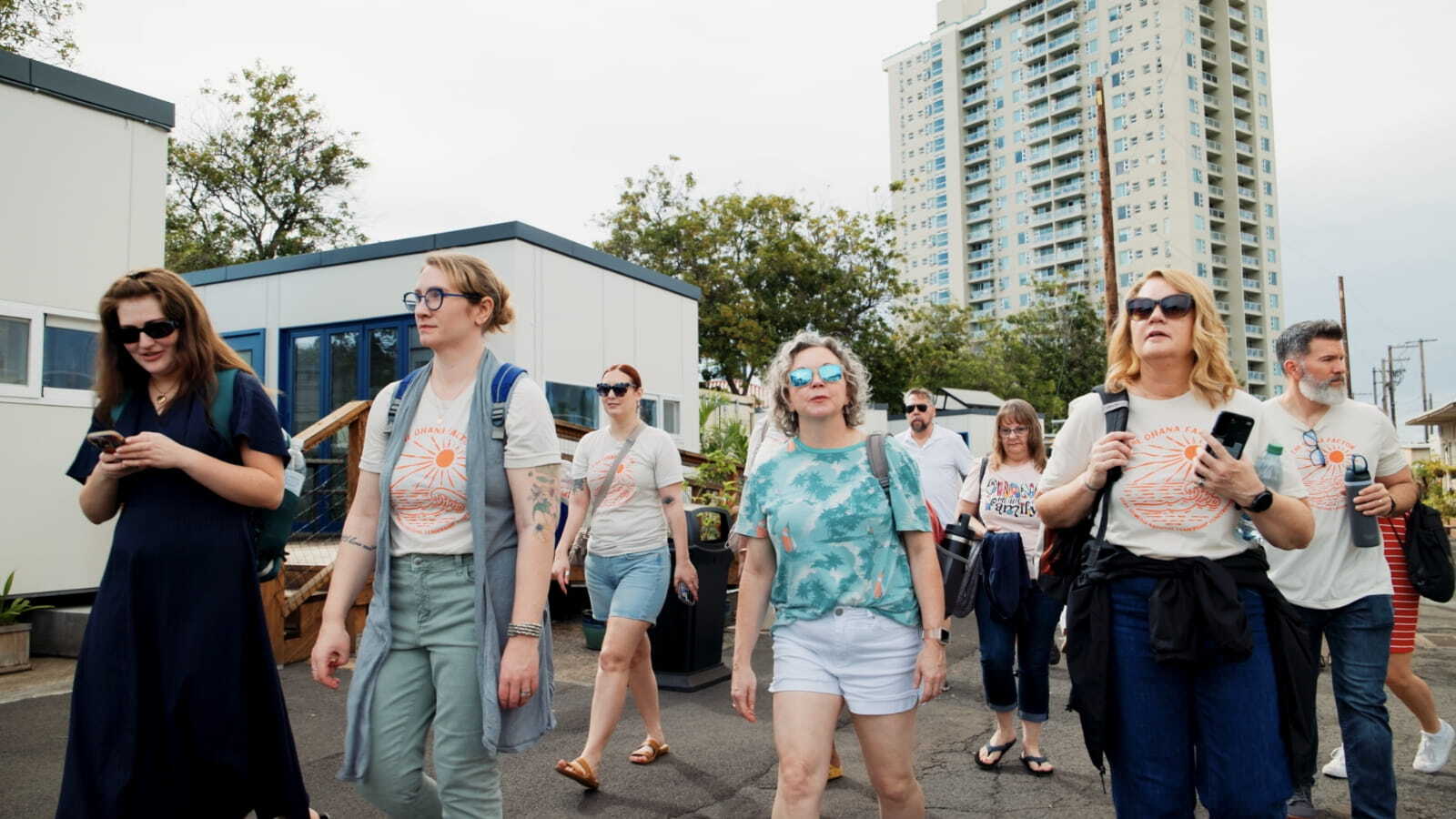
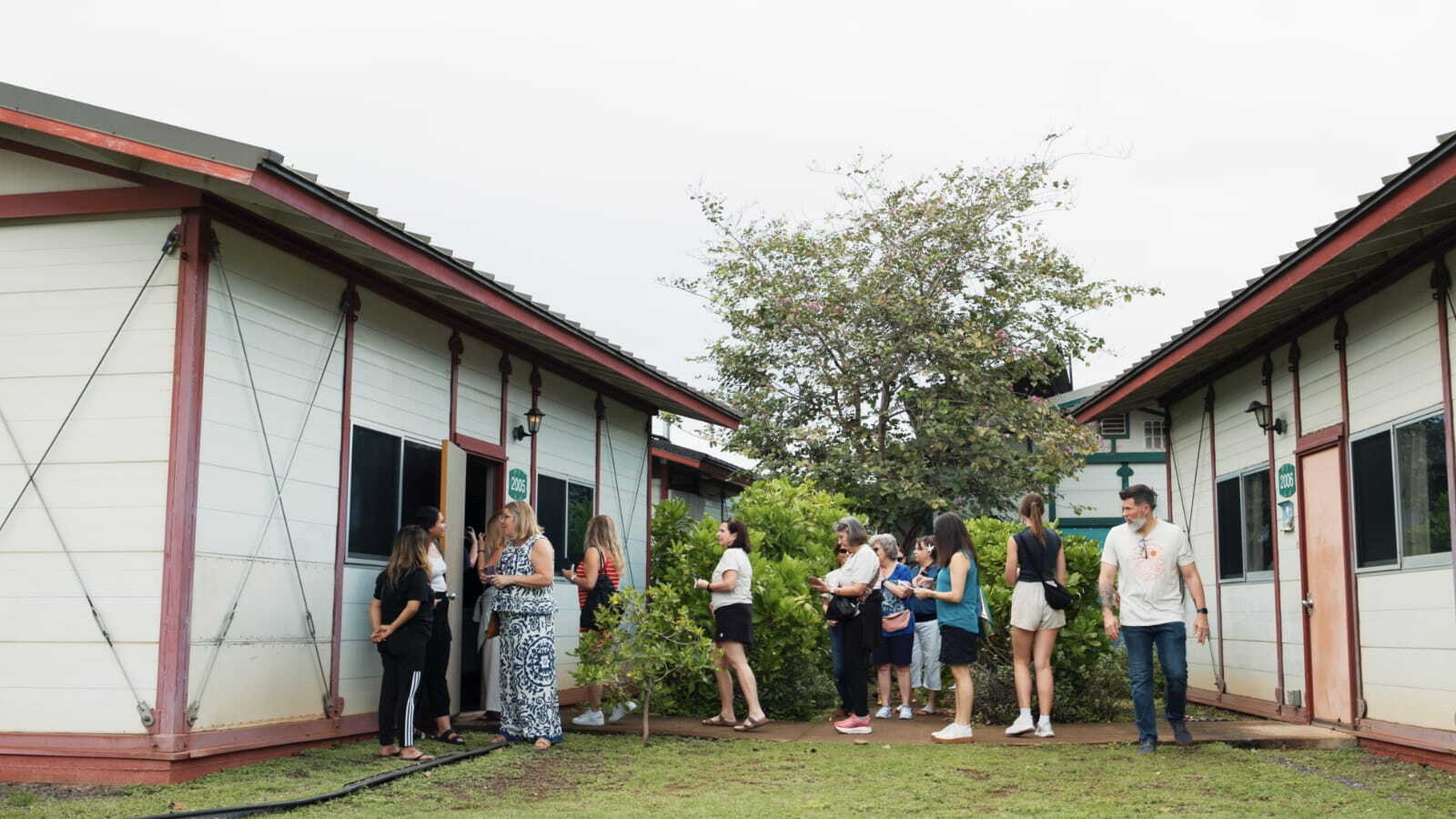
We started in Iwilei at Alana Ola Pono Kauhale, where affiliates saw how the kauhale model comes together on the ground. Not just the physical layout, but how it functions as a community, and how design, operations, and services must align for it to work.
From there, we visited Kahauiki Village near the airport. A very different model, but just as important. As one of Hawai‘i’s first kauhale-style communities, it demonstrated how speed, scale, and structure can come together to house families effectively, helping reduce family homelessness by 60%.
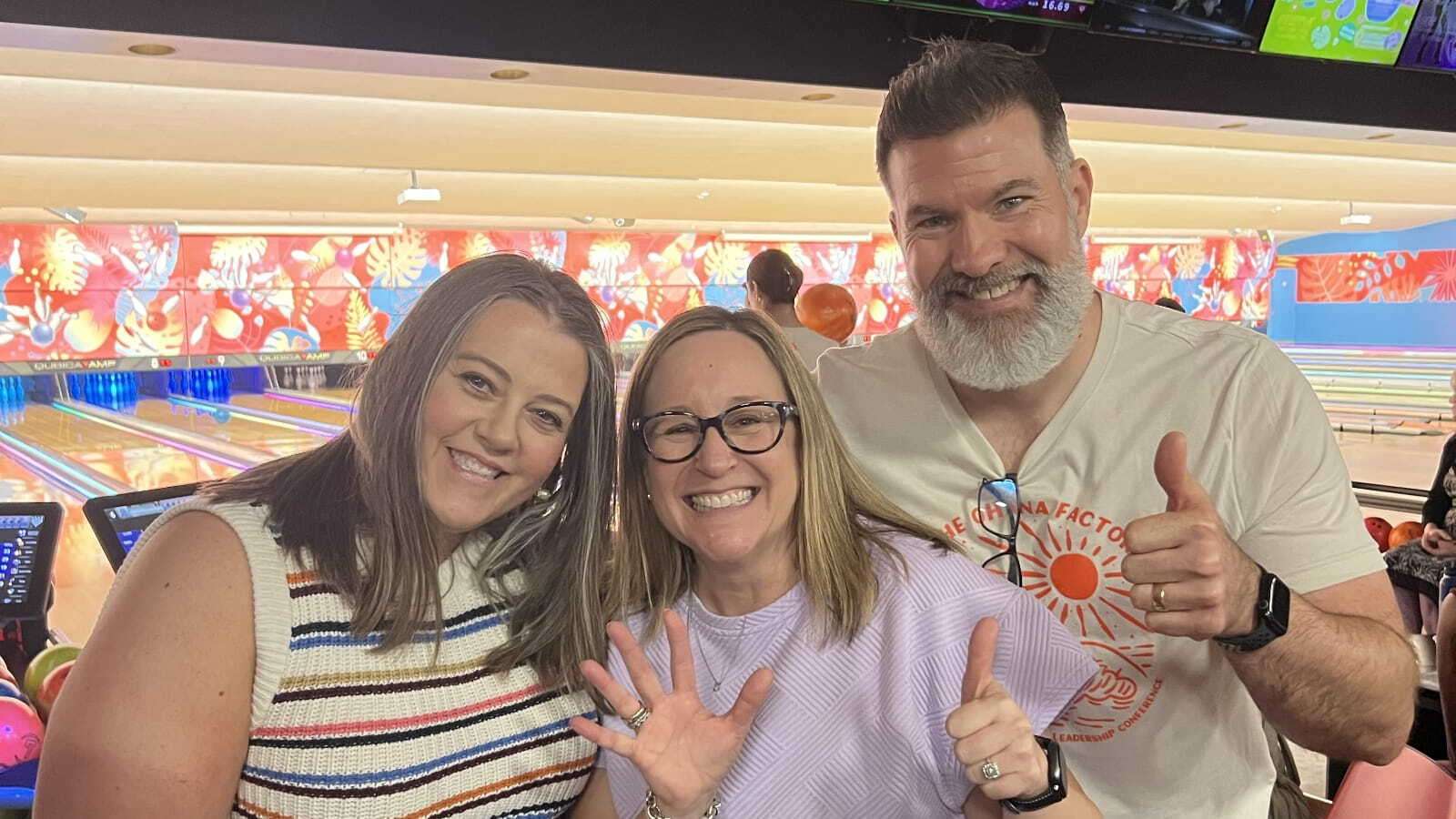
We wrapped the day at Aiea Bowl. Some friendly competition, a lot of laughs, and yes, the lemon crunch cake lived up to the hype. 😋
We had planned to take the group to Maui, but the weather had other plans.
A storm rolled in, bringing heavy rain and grounding flights. Instead of traveling, we brought Maui into the room.
Kimo walked affiliates through Ka Lā‘i Ola and Kīpūola Kauhale, sharing what it took to stand those projects up quickly and what was learned along the way. The discussion highlighted how disaster response changes timelines, coordination, and decision-making, and what it takes to adapt in real time while still delivering housing.
We closed the day by stepping back and reflecting on everything that was shared. Andrea led a Bowl of Light ceremony, grounding the group in purpose and responsibility before everyone returned to their respective communities. Kimo followed with closing remarks and a video from the Hawaiian Council, reinforcing how Hawaiian values and culture can influence work far beyond Hawai‘i.
It was a powerful way to close.
And mahalo to all the guests who traveled from across the nation to join us and contribute your insights and experience to this work.
